Our Blog: November 10, 2026
- 855.471.2589
- Schedule a Tour
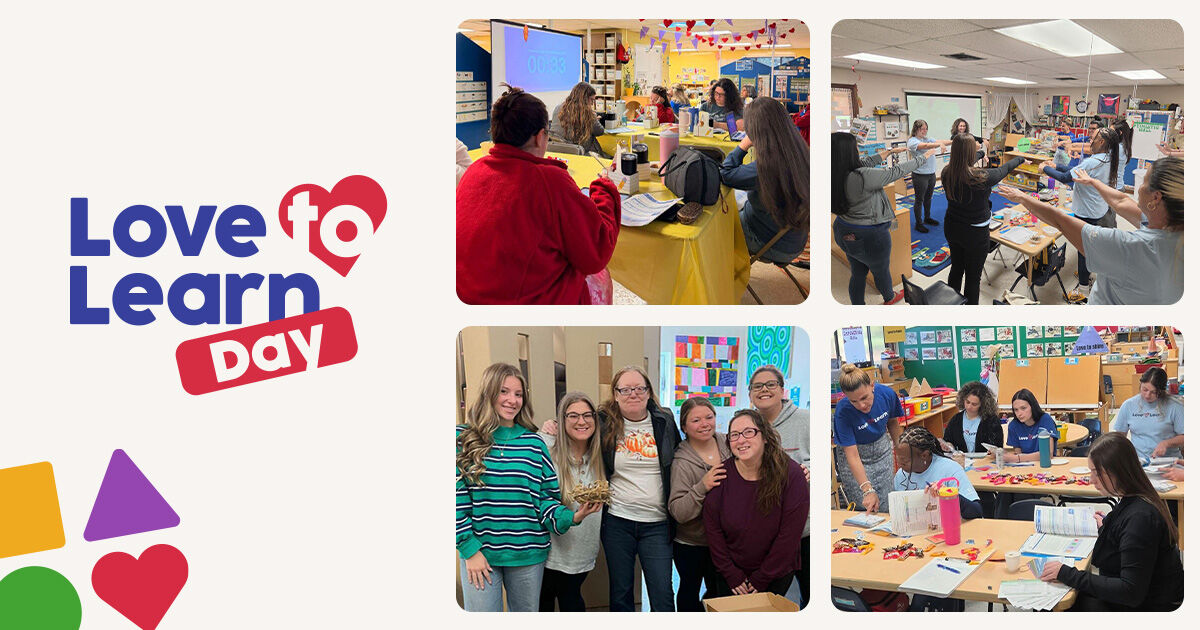
What is Love to Learn Day? It’s a professional development experience that brings school teams together for role-specific learning, hands-on practice, peer collaboration, reflection, and classroom application.
Our Fall 2026 agenda blended group learning with specialized sessions for team members focused on Infant, Toddler through Pre-K, School Age, and Food Service. The day opened and closed with regional connections, while the experience itself focused on evidence of learning, meaningful learning experiences, safe family-style dining, proactive classroom practices, and family communication.
A Question That Framed the Day
How do you know my child is making progress? What could you show me?
Learning Through Hands-On Professional Development
Teachers did more than listen to presentations. They analyzed classroom evidence, practiced professional judgment, participated in partner discussions and group huddles, completed role-play scenarios, and identified specific actions to use going forward. They used interactive discussion boards to support peer-to-peer learning and share classroom ideas.
- Evidence of Learning: Teachers reviewed developmental checklists, observation notes, portfolios, and Learning in Action displays. They practiced connecting evidence to a child’s current skills, next steps, and family conversations.
- Guided Play and Inquiry: Teachers experienced the difference between a limited activity and an open-ended learning experience. They then built bird nests using self-selected materials, tested ideas, solved problems, and reflected on how to support similar play for children without taking over.
- Safe Family-Style Dining: School teams rehearsed the full mealtime process, including preparing the environment, completing food and allergy safety checks, supporting children as they served themselves, actively supervising, engaging in conversation, and cleaning up safely.
Professional Learning Across Every Role
Role-specific sessions helped each team member connect professional learning to daily responsibilities. Infant teachers examined how care routines can strengthen communication, connection, participation, and belonging. And school-age teachers explored purposeful routines, engaging learning environments, inquiry-based questions, child voice and choice, and documentation that makes thinking visible. Food service specialists reviewed kitchen and classroom readiness, age-appropriate food preparation, allergy substitutions, equipment needs, and safe snack preparation.
From Reacting to Teaching
During the proactive classroom practices session, teaching teams observed behavior, considered what a child might be communicating, and identified supports that could help to keep a challenging moment from escalating. Teachers also practiced naming the replacement behavior or social-emotional skill a child needs and discussed how to move from repeatedly correcting behavior to intentionally teaching and practicing new skills.
Strengthening Family Partnerships Through C.A.R.E.
Teams also practiced the C.A.R.E. approach through video reflection, decision-making scenarios, a conversation planner, and partner role-play. The session focused on this approach:
- Curiosity
- Affirmation
- Reflection
- Encouragement
This method builds greater understanding, identifies clear next steps, and creates a follow-through plan, so families feel heard and informed. During this exercise, teachers considered when to respond independently, when to involve a school leader, and when a concern needs more serious attention.
What Families May Notice
More Visible Learning
Portfolios and displays that include current observations, work samples, photos, and children’s words, along with more specific conversations about progress and next steps in their journey.
More Child Voice & Choice
We want to support children as they select materials, share ideas, investigate questions, revise plans, and solve problems while we, as teachers, extend their thinking with
open-ended questions.
More Intentional Support
You’ll see teachers prepare children for transitions, model what to do, use proactive support, and coach children as they practice communication and develop social-emotional skills.
MORE PURPOSEFUL CONNECTION
Thoughtful conversations during care routines and meals, clear safety practices, and family communication that includes listening, specific child-centered details,
next steps, and follow-ups.
Support Continued Learning
Love to Learn Day was designed to move from static professional development into engaging classroom exercises. Teachers made commitments, identified next steps, and considered what they would begin using immediately. School leaders received follow-up tools to observe implementation, recognize progress, identify support needs, and coach teams as new practices become part of the daily experience. You can continue the conversation at home by asking your teacher this:
“What is one strategy from Love to Learn Day that you’re excited to use in the classroom?”
