Our Blog: January 26, 2026
- 855.471.2589
- Schedule a Tour
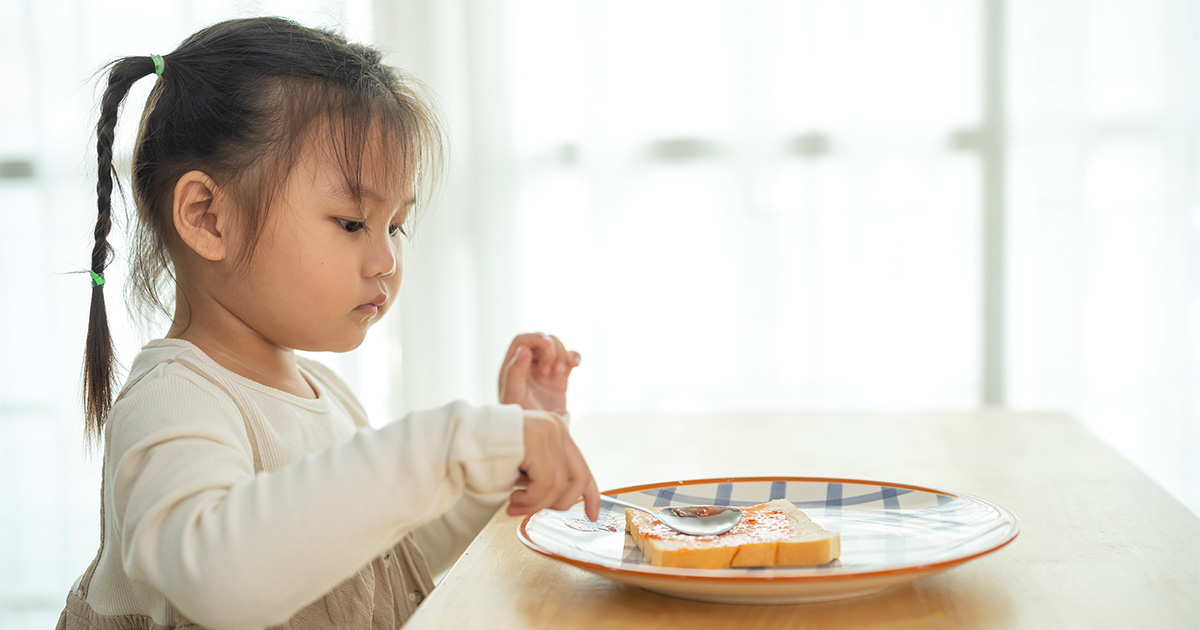
Why are toddlers so unpredictable when it comes to eating? Simply put, being a fussy eater is part of what it means to be a toddler. We have learned that children between the ages of one and three are more likely to peck and poke at their food.
After a year of rapid growth during the first 12 months of their lives, toddlers gain weight more slowly. In turn, they need less food. The fact that these little ones are always on the go also affects their irregular eating habits. Toddlers don’t sit still for anything, not even food.
First things, first… relax! As parents and caregivers, our job is simply to provide and prepare nutritious meals. Do your best to serve it creatively to make it more appealing and leave the rest up to the kids. How much they eat, when they eat, and if they eat can mostly be their responsibility. This gives them the independence they crave as they navigate the next phase of growth.
Since erratic eating habits are as normal as toddler mood swings, expect a child to eat well one day and practically nothing the next. It’ll all even out! On average, toddlers eat between 900 and 1800 calories per day, which is quite a wide range. It helps to know that either extreme is “normal.”
Try these 11 proven tips for encouraging your toddler to eat nutritiously:
- Dip it! Young children think dragging food through a tasty dip is messy, delightful FUN. Some dip ideas include cottage cheese, cream cheese, sweetened preserves, guacamole, soy or peanut butter, pureed fruits or vegetables, and yogurt.
- Spread it! Toddlers love sensory activities, including kitchen prep. Show them how to spread soy or peanut butter onto crackers or toast and let them try it.
- Top it! Adding nutritious, familiar toppings to make less desirable (but healthy) foods more appetizing is one way to broaden your toddler's menu. Favorite toppings include guacamole, yogurt, melted cheese, pizza sauce, and applesauce.
- Cut it up! How much a toddler will eat often depends on how it is presented. Use cookie cutters to transform basic sandwiches, toast, pancakes, or waffles into various shapes to make mealtime an adventure.
- Veggie talk! Encouraging vegetables can require creative marketing. If you aren’t a proud parent of a natural veggie-eater and appreciator, try some of these ideas:
- Plant a garden to involve them in the “farm-to-table” process
- Add grated or finely diced veggies into favorite foods
- Camouflage vegetables with their favorite sauce
- Use vegetables as finger foods and dip them into favorite sauces
- Make veggies sweeter by roasting them with flavorful seasonings
- Get creative and make veggie art for extra presentation points
- Share it! Eating in a group setting lets other kids set a good example. Sometimes, all it takes is seeing another child enjoying their meal to develop the courage it takes to try a new food.
- Respect tiny tummies! Keep food servings small. They don’t need as much to feel satisfied and nourished. A little goes a long way.
- Let them help! Children are more likely to eat their own creations. Set them up with a safe food prep area and let them prepare their own plate. The sense of satisfaction they get from being involved will translate to more bites.
- Make every calorie count! Offer nutrient-dense foods in small doses. Include things like avocados, pasta, broccoli, peanut butter, brown rice, potatoes, cheese, chicken, eggs, squash, fish, sweet potatoes, kidney beans, tofu, and yogurt.
- Get to the table first! Prepare the snack or meal before your child is ravenous. If they get hungry first and set their mind on something you’re not having, it may lead to an unnecessary battle of wills. Present a variety of foods at meal time. Include a main dish, milk, fruit, vegetable, and grain or bread. Then, let your child choose from what is available.
- Watch the juice! Many toddlers drink far too much juice, sometimes as much as 24 ounces per day. The calories they get from the juice tend to fill them up and keep them from feeling hungry at mealtimes. Milk can cause a similar problem! Keep in mind that 16 to 24 ounces per day is usually enough.
Even on challenging days where you’re worried about how much or how little your toddler is eating, be confident you’re doing your best (and so are they). The more engaging and interactive you make snacks and meals, the more likely they are to develop good habits.
Your patience and efforts to make the experience enjoyable will go a long way.